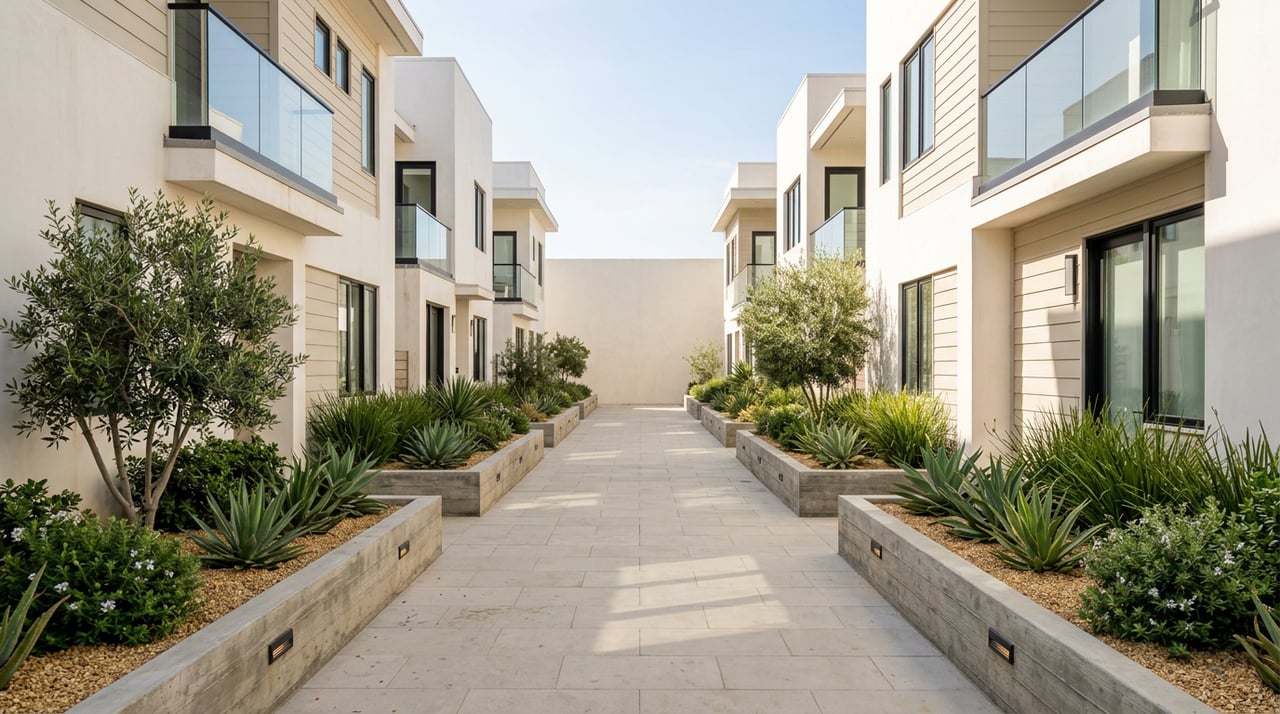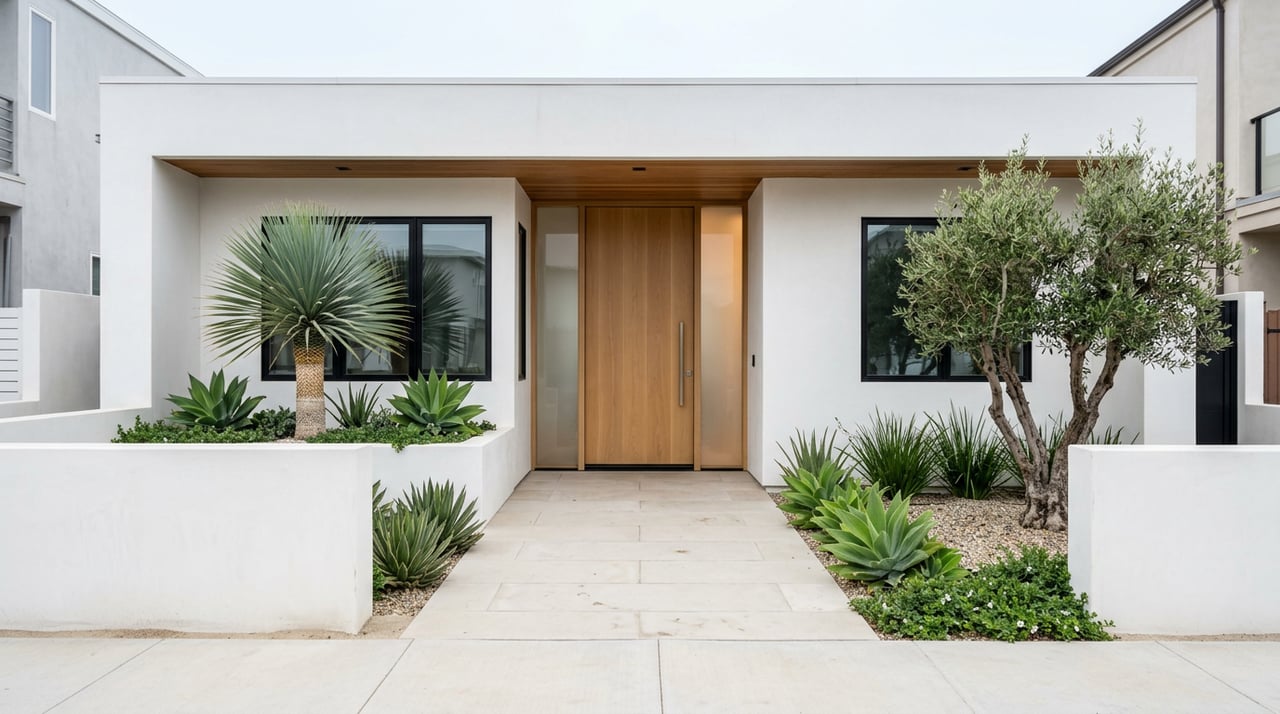
Craving an easy coastal escape you can call yours on the weekends, holidays, and whenever the ocean is calling? If you already own a primary residence, a second home in Orange County can deliver year-round sunshine, harbor life, and strong long-term fundamentals. The key is buying with eyes wide open on local rules, insurance, taxes, and operations so your retreat fits your lifestyle. This guide gives you a clear roadmap tailored to Orange County’s unique market and coastal realities. Let’s dive in.
The Orange County second-home picture
Orange County is one of California’s priciest counties. Recent market trackers place the countywide median single-family value in the low-to-mid $1.1–$1.3 million range, with coastal enclaves trading in the multi-million tier. Inventory, days on market, and the share of cash offers shift with season and rates, so staying current during your search matters.
If you value walk-to-beach living, private harbor access, or a lock-and-leave condo near the sand, you will find distinct pockets that serve second-home owners well. If you prefer newer construction with robust HOA oversight, inland master-planned options can be appealing.
Where second homes tend to cluster
Coastal luxury enclaves
Newport Beach, Laguna Beach, Corona del Mar, Balboa Peninsula, and Newport Coast sit at the top of the market. Waterfront and bluff-view properties are scarce, presentation-focused, and command premium pricing. Expect competitive bidding for turnkey homes with views, docks, or private beach access.
Resort and harbor towns
Dana Point, San Clemente, and Huntington Beach offer a broader price spectrum with strong lifestyle access. Many second-home buyers focus on harborfront, bluff, or boardwalk locations for easy surfing, boating, and dining. You will find condos and townhomes that simplify lock-and-leave ownership.
Inland master-planned options
Irvine, Tustin, Villa Park, and Yorba Linda deliver newer construction, lower volatility, and comprehensive HOA oversight. These neighborhoods can be ideal when you want modern amenities, gated settings, or a quieter setting with convenient airport access.
Short-term rentals: read the fine print
City rules are the biggest swing factor if you plan to rent your home part-time. There is no single countywide standard. Each city sets its own rules, permits, and enforcement.
City examples to know
- Laguna Beach limits short-term rentals to specific zones and caps unhosted permits; a separate hosted home-share program follows detailed standards. You can review the city’s short-term lodging rules in the Laguna Beach municipal code.
- Newport Beach allows STRs with strict permitting, a numerical cap on permits, minimum-stay rules, occupancy limits, and advertising requirements. See the Newport Beach short-term lodging standards.
- Anaheim permits certain grandfathered or strictly regulated STRs while restricting new entries in many areas. Review Anaheim’s STR chapter for conditions, inspections, and renewals.
Some cities, such as Irvine and Santa Ana, have moved to prohibit or heavily restrict STRs in many residential zones. Always confirm current code before you buy.
HOA rules can be stricter than cities
HOA covenants often ban or limit rentals with 30-day minimums, caps, or outright prohibitions. Do not assume a condo near the beach can be rented short term even if the city allows it. Secure HOA docs early and confirm rules in writing.
Taxes and permits if you rent
Where STRs are allowed, you will typically need a city permit, inspections, a local contact, and to collect and remit lodging taxes such as Transient Occupancy Tax. Noncompliance can trigger daily fines and permit revocation. Build compliance into your ownership plan.
Financing and taxes: set expectations early
Second-home vs. investment loans
Lenders underwrite second homes differently from both primary residences and investment properties. Conventional second-home loans commonly start around a 10 percent down payment, with stronger reserve requirements than a primary. See typical second-home guidance from Chase.
If your plan relies on regular rental income or primarily investment use, lenders usually classify the loan as an investment property with roughly 15–25 percent down and different underwriting. For a quick overview of how lenders draw the line, review this primer on second-home vs. investment property rules. In coastal Orange County, many luxury purchases exceed conforming limits and require jumbo financing or cash.
Property taxes and reassessment
Under Proposition 13, base property tax is 1 percent of assessed value plus local assessments; effective rates commonly land around 1.1–1.3 percent. After closing, expect a supplemental assessment tied to your purchase price. The Orange County Assessor outlines what to expect when buying, including supplemental bills and key tax dates.
Proposition 19 changed intergenerational transfer rules and expanded certain base-year transfers for eligible owners. Importantly, inherited vacation or rental properties no longer enjoy the broad parent-child exclusions unless they meet updated primary-residence criteria. For planning, review a clear summary of Prop 19 changes and consult your tax advisor.
Closing cadence and costs
A standard escrow in California often runs 30–45 days. Budget for escrow and title fees, title insurance, recording, prorated taxes and HOA items, plus a supplemental tax bill after closing once the assessor updates your base year.
Insurance and coastal hazards to underwrite
Earthquake coverage
Standard home insurance does not cover earthquakes. The California Earthquake Authority is the primary source for residential earthquake policies, sold through participating insurers. Get quotes early and understand deductible structures and coverage limits, especially for bluff or waterfront homes. Start with the CEA’s guide on how to buy earthquake insurance.
Flood and coastal exposure
Beachfront and harborfront properties can sit in FEMA Special Flood Hazard Areas. If you carry a federally regulated mortgage and the home is in a mapped SFHA, flood insurance is typically required. Even outside SFHAs, a flood quote is a smart check. Use FEMA’s Flood Map Service Center as a first pass via this reference to the FEMA flood map portal, and remember that an elevation certificate can influence premiums.
Wildfire in foothills and canyons
Inland foothills and canyon neighborhoods, including portions of Anaheim Hills, Yorba Linda, and Silverado Canyon, carry elevated wildfire exposure. Insurability, premiums, and deductibles can vary. The California Department of Insurance provides consumer guidance on home insurance and catastrophe risks. Request the home’s insurance history and obtain quotes during your inspection period.
Ownership, operations, and annual costs
Pick the model that fits your life
- Owner-occupied second home: You use it part of the year with minimal or no rental. Lenders expect evidence of personal use and may limit extensive renting.
- Occasional STR: When allowed by city and HOA, it can offset costs but adds permitting, tax remittance, guest operations, and wear-and-tear.
- Long-term rental: Treated as an investment for financing and taxes with different underwriting and potential depreciation benefits. Confirm with your lender and CPA.
What to budget each year
- Property tax: Plan for about 1.1–1.3 percent of assessed value annually, plus any special assessments.
- Maintenance: A common rule of thumb is 1–3 percent of property value per year for routine maintenance and reserves. Coastal homes may also need line items for corrosion, exterior upkeep, pool service, landscaping, and any seawall or erosion monitoring.
- Insurance: Premiums for coastal, wildfire, flood, and earthquake coverage vary widely. Quote early and revisit at renewal.
- HOA dues: Include reserves and any known or potential special assessments in your underwriting.
- Management: Full-service vacation rental management often runs about 20–35 percent of rental revenue, plus cleaning and booking fees. Long-term property management typically ranges around 6–12 percent of monthly rent.
Your step-by-step plan
- Define your use. Decide whether this will be a personal retreat, part-time rental, long-term rental, or a hybrid. Your plan determines lending, permits, and HOA fit.
- Shortlist neighborhoods by lifestyle. Weigh walkability, private beach or harbor access, proximity to SNA/LAX, and seasonal traffic.
- Confirm city rules at the address level. Verify zoning and short-term rental permits and caps for the specific property. Do not rely on platform listings alone. For example, review Laguna Beach’s standards in the municipal code and Newport Beach’s short-term lodging chapter.
- Pull HOA docs early. Confirm rental allowances, parking, guest limits, and upcoming assessments before you write an offer.
- Secure the right pre-approval. Make sure your lender underwrites as a second home or investment property in line with your intended use. See typical second-home guidance from Chase and high-level differences in this second-home vs. investment overview.
- Run hazard checks. Review FEMA flood maps via the referenced FEMA portal, obtain CEA or private earthquake quotes, and ask for wildfire and erosion history for the parcel.
- Build a full-year budget. Include property taxes, insurance, HOA dues, professional management, and an annual maintenance reserve of 1–3 percent of value, plus capital items.
- Before closing. Confirm proof of required insurance, review title for special assessments or CFDs, and understand supplemental tax timing via the OC Assessor.
- After closing. If operating an STR, apply for permits immediately, register for lodging taxes, display your permit number on listings, and set a rapid-response plan for neighbor concerns.
Work with a concierge local partner
Buying a second home here is about more than finding a view. It is about aligning lifestyle, local rules, and long-term stewardship so the home feels effortless. If you want a polished, presentation-led search with clear guidance on permits, insurance, and operating costs, connect with Racquelle Brighton to start a private, concierge conversation.
FAQs
Can I rent my Orange County second home on Airbnb?
- Maybe. It depends on your city’s code, permit caps, and your HOA’s rules. Some cities allow permitted STRs with strict conditions, others limit or prohibit them. Always verify both city code and HOA before you buy.
How much should I budget to maintain a coastal second home?
- A common starting point is 1–3 percent of property value per year for routine maintenance and reserves, plus coastal-specific items such as exterior corrosion care, pool service, landscaping, and any seawall or erosion monitoring.
Will my primary-residence tax exclusion apply when I sell the second home?
- Generally no. You would need to convert it to your primary residence and meet IRS occupancy tests to qualify. Also consider Prop 19 transfer rules and consult your tax advisor.
What down payment do lenders often require for a second home in OC?
- Conventional second-home loans commonly start around 10 percent down with stronger reserve requirements than a primary mortgage, while investment loans often require 15–25 percent down. Jumbo requirements vary by lender.
Do I need earthquake or flood insurance for a beach-area home?
- Earthquake coverage is separate and optional but worth quoting in California. Flood insurance may be required if the home sits in a FEMA Special Flood Hazard Area and you have a regulated mortgage. Always obtain quotes during escrow.