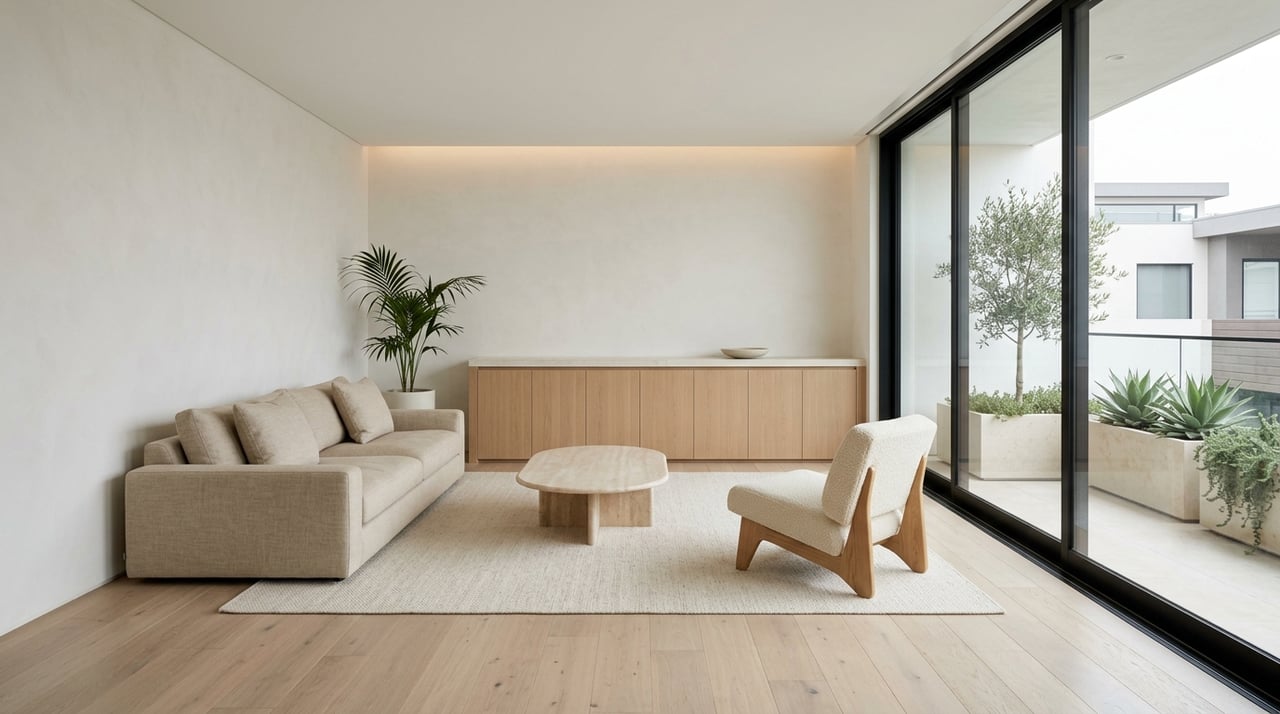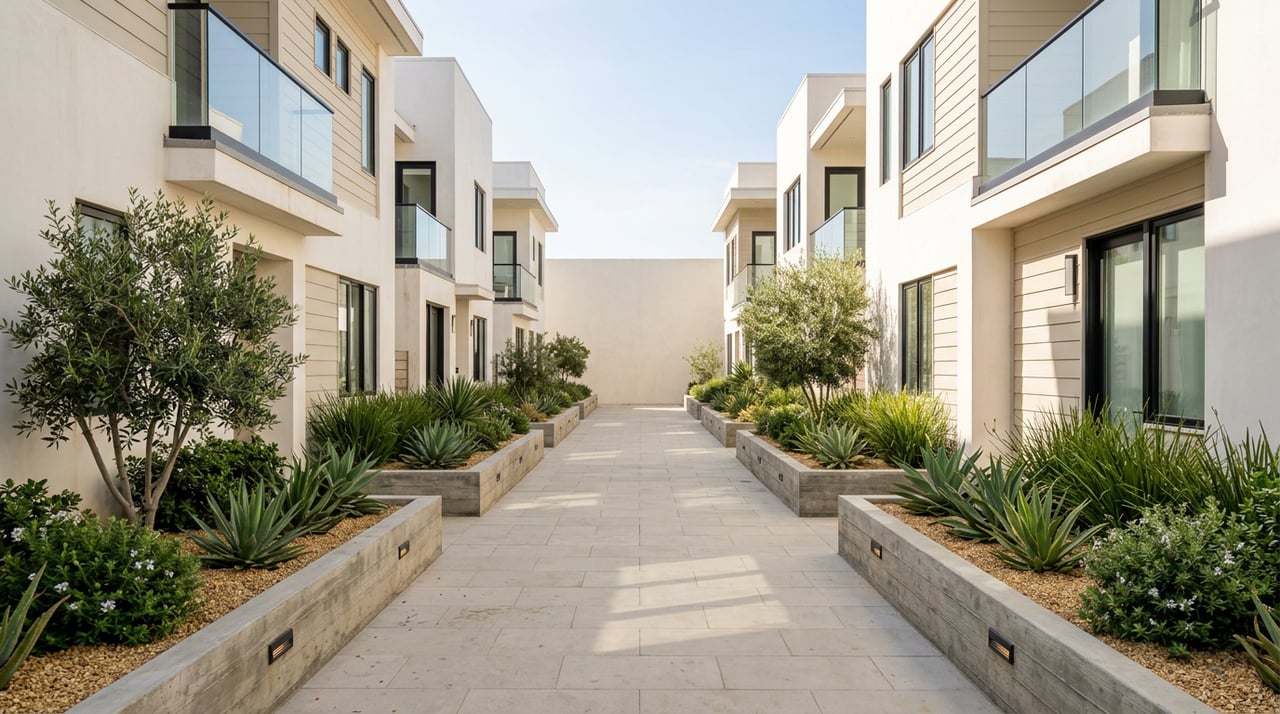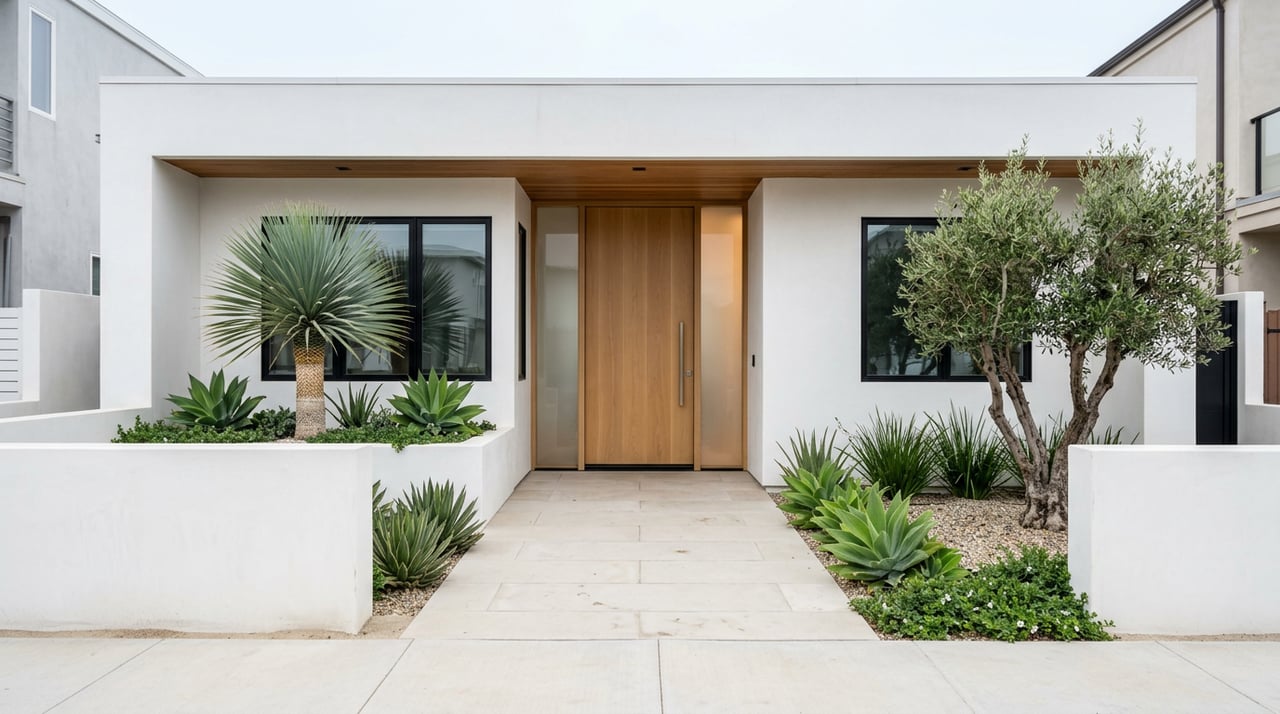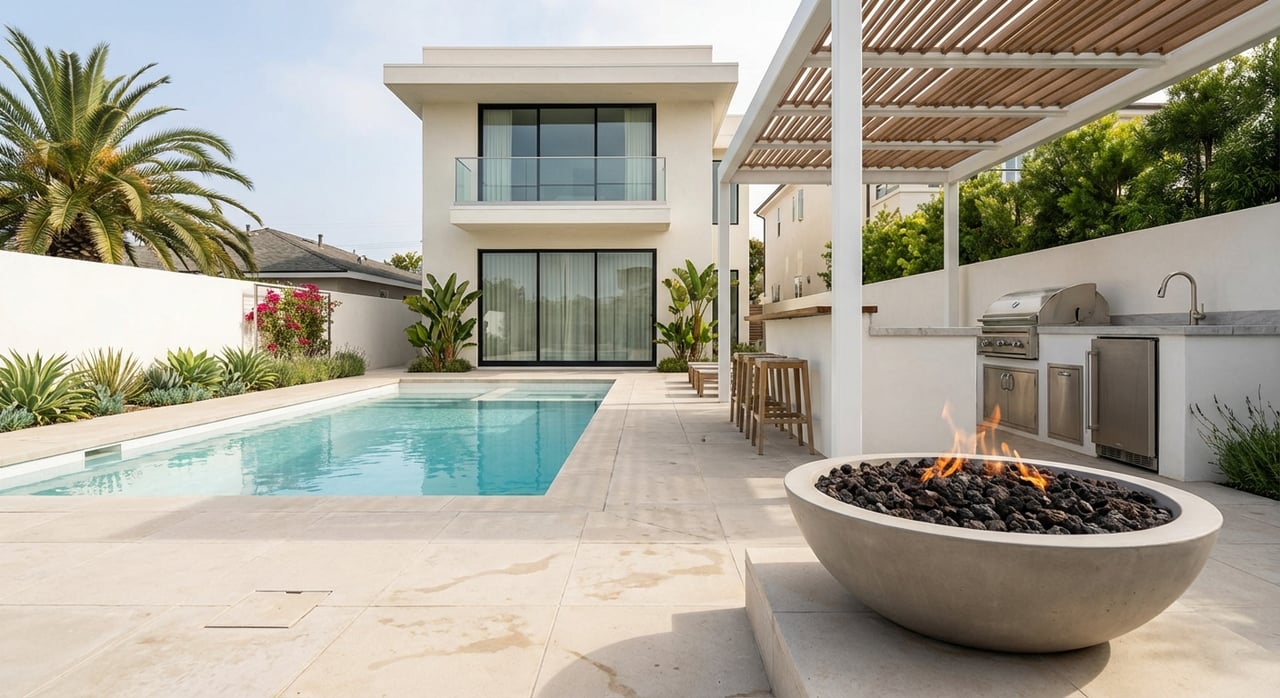
Imagine stepping outside to a sunlit terrace, a pool that mirrors the sky, and a seamless kitchen and lounge that feel like your favorite coastal resort. In Orange County, you can enjoy outdoor space almost year-round, so every square foot should feel intentional and elevated. In this guide, you’ll learn design-forward ideas that work with OC’s climate and rules, from materials that stand up to salt air to permits that keep projects on track. Let’s dive in.
Why OC is perfect for outdoor living
Orange County’s Mediterranean climate means mild, wet winters and warm, dry summers. Near the coast you get marine layer mornings and strong afternoon sun, while inland areas like Anaheim and Santa Ana see wider day-night temperature swings. That long season supports resort-style living, but coastal UV, moisture, and salt require durable finishes and maintenance-aware choices. If your home is near wildland areas, review defensible-space expectations and local mapping through the Orange County Fire Authority.
Permits and timelines to plan for
Many resort-style upgrades trigger permits. Pools and spas, fixed gas lines, permanent outdoor kitchens, and structural patio covers or rooftop decks often need building, electrical, and plumbing approvals. Cities and HOAs have different processes, so plan-check steps and timelines vary.
- Pools and spas commonly require plan review and safety barrier compliance. See the City of Irvine’s residential pool guidance for what submittals look like in practice: Irvine pool and spa permits.
- Upgrading electrical service for pumps or heaters can involve the utility, inspections, and a sequence of approvals. Anaheim details the process here: Swimming pool electrical upgrade.
- Gas lines and fixed appliances in an outdoor kitchen typically need plumbing and electrical permits. Coordinate early with your building department and HOA.
Pro tip: Check air-quality limits before you add a wood-burning fireplace. The South Coast AQMD’s Rule 445 restricts new wood-burning devices and can declare no-burn days. Review AQMD Rule 445 resources to plan accordingly.
Patios and terraces: durable and refined
Choose materials that look elegant and handle sun and salt. Large-format porcelain pavers, dense stone like quartzite or granite, or capped composite decking reduce staining and maintenance. For pool edges and steps, pick slip-resistant finishes and plan slopes and drains that carry water to a lawful outlet.
Hardware matters near the coast. Use stainless fasteners, with marine-grade 316 in areas with direct salt exposure or spray. Avoid mixing metals that can corrode each other, and specify sealers and trims designed for coastal environments. The result is a patio that stays beautiful longer with less upkeep.
Rooftop decks: safety, structure, and views
Rooftop spaces create incredible resort-style rooms, but they come with structural and safety requirements. In many California jurisdictions, open-sided walking surfaces require 42-inch guards, with different rules for stairs. Verify local adoption and details using California code references like this guardrail overview: CRC guard and fall protection basics.
Plan for waterproofing, drainage, and load. Include a structural engineer and roofing specialist to protect the membrane and manage penetrations. Place planters with engineered soil depths to limit weight, and ensure equipment is serviceable without damaging the roof. The right team preserves both your views and your warranty.
Pools and spas: efficiency and safety by design
Today’s best resort pools combine quiet elegance with energy-smart systems. California’s appliance efficiency rules make high-efficiency, variable-speed pool pumps the expected baseline for new or replacement installs. Review current requirements and proceedings through the California Energy Commission Title 20.
Build safety into the plan. The National Electrical Code has strict zones and GFCI protections for lighting and receptacles around water, with recent updates in the 2023 NEC. Share this with your electrician and inspector to streamline approvals: Top 2023 NEC changes affecting pools.
Pool barriers matter. Cities outline requirements for self-closing, self-latching gates and isolation fencing, and inspectors will check them before final approval. Check your city’s pool permit page early so design and safety integrate from the start.
Fire features in OC: what to know
A glowing fire elevates an evening outdoors, but choose options that fit OC rules and air quality. New wood-burning devices are restricted under South Coast AQMD Rule 445, and no-burn days can prohibit use. Gas or propane decorative fire features are typically a better fit for coastal and urban-edge settings, and they still require clearances and AHJ approval. See AQMD’s rule resources before you finalize specifications.
If you live near mapped fire hazard zones, prioritize siting and noncombustible hardscape in the first 5 to 30 feet around the home. Maintain ember-resistant zones and keep vegetation lean, clean, and green. This approach supports both compliance and peace of mind.
Outdoor kitchens: restaurant style, coastal tough
Design your alfresco kitchen as a complete system. Built-in grills, dedicated gas lines, sinks, refrigeration, and hardwired outlets often require permits and licensed trades. Plan for drainage, GFCI-protected outlets, and proper venting where a hood is enclosed.
Select materials that age gracefully by the ocean. Favor marine-grade stainless steel or powder-coated aluminum cabinets, or masonry islands with stainless appliances. For countertops, porcelain and granite resist staining and UV. Specify marine-grade finishes on hoods and trim to handle salty air.
Landscaping: low water, high impact
OC summers are dry, so build a water-wise landscape from the start. Larger projects may need to follow California’s Model Water Efficient Landscape Ordinance. Stay current on updates through the Department of Water Resources: MWELO rulemaking overview.
Create hydrozones, favor drip irrigation over spray where practical, and use smart controllers. For plantings, lean into California natives and Mediterranean species that thrive locally while reducing maintenance. The CNPS Orange County chapter offers region-specific guidance and plant lists: native and drought-tolerant plants for OC.
Quick permit check before you build
- Pools and spas: plan for building, electrical, and plumbing permits, safety barriers, and inspections. Start with your city’s pool permit page.
- Gas lines and fixed kitchens: expect plumbing and electrical permits, plus HOA design review where applicable.
- Electrical upgrades: coordinate with your utility for meter spots and finals if you add high-amp pool or kitchen equipment.
- Rooftop decks: structural engineering, waterproofing details, and guard height compliance are standard.
- Fire features: confirm AQMD and local fire code rules, especially for wood-burning restrictions and clearances.
Bringing it all together
When you design for OC’s climate and codes, you get spaces that look stunning and perform beautifully. Durable materials, efficient systems, and thoughtful siting let you enjoy long, golden evenings with less maintenance and more ease. With the right plan and team, your backyard can feel like a private resort from the first morning espresso to sunset by the fire.
If you are ready to elevate your outdoor living and want a property that supports this lifestyle from day one, connect with Racquelle Brighton to align the right home, site, and design potential.
FAQs
What permits do I need for a new pool in Orange County?
- Most cities require building, plumbing, and electrical permits plus inspections, and they enforce safety barriers. Start with your city’s pool permit page such as Irvine’s pool and spa guidance.
Are wood-burning fire pits allowed at coastal OC homes?
- New wood-burning devices face restrictions under South Coast AQMD Rule 445, and no-burn days can apply, so most homeowners choose gas decorative fire features. Review AQMD Rule 445 resources before planning.
Do rooftop decks in California require taller guardrails?
- Many jurisdictions enforce 42-inch guards for open-sided walking surfaces, with exceptions for stairs, so always confirm locally. A helpful reference is this CRC guardrail overview.
How can I reduce pool energy costs in OC’s climate?
- Use a variable-speed pump that meets California Title 20, consider a heat-pump or solar pool heater, and optimize run schedules for efficiency. See the CEC Title 20 proceedings for current standards.
What plants work best for a low-water coastal landscape?
- Choose regionally suitable natives and Mediterranean species, group them by water needs, and run drip irrigation with a smart controller. Explore the CNPS OC guide to drought-tolerant plants.